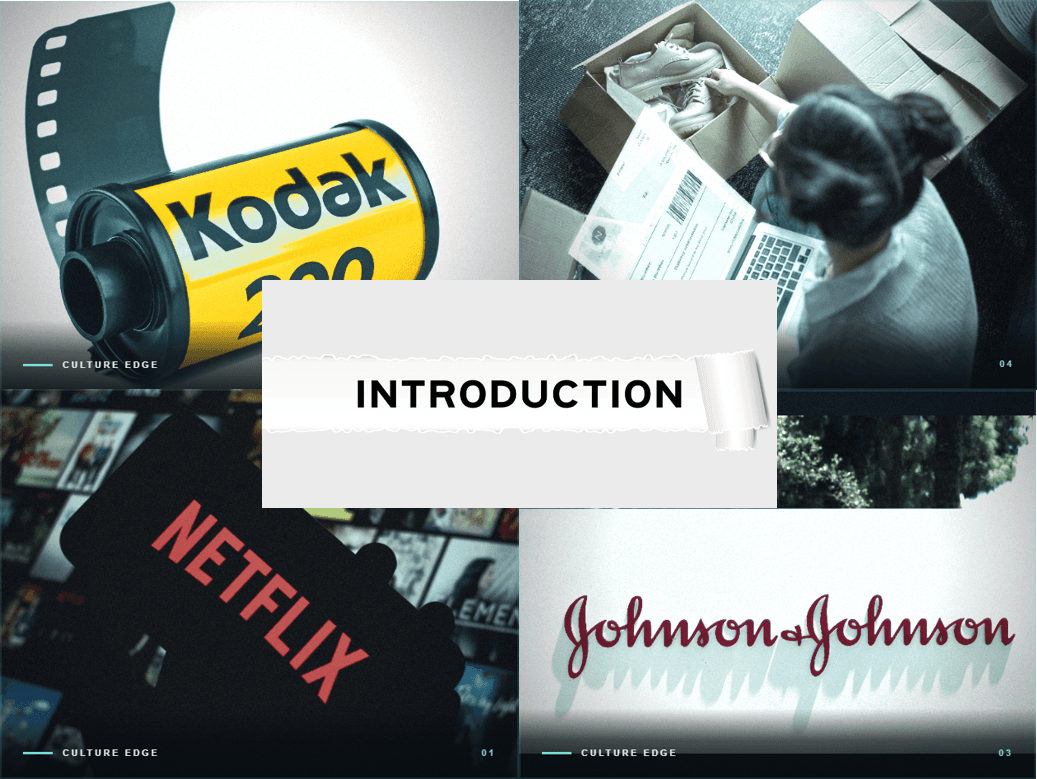
Four organizations. Four names you know. Four different ways to lose the thread. One foundation that keeps it.
There is no single way to build an organization that lasts. Kodak found its answer in a vision precise enough to outlast film itself, and then forgot it. Netflix found its answer in conditions built before freedom was ever declared. Zappos found its answer in values so genuine they attracted people who wanted to belong to something real, and then discovered how fragile a culture is when it lives in people rather than in systems. Johnson & Johnson found its answer in a document written in 1943 and a CEO who refused to let it become decoration.
Four different organizations. Four different paths. None of them interchangeable.
What connects them is not a lesson. It is a foundation: Vision, Mission, Core Values, and Beliefs — and the deliberate, uncomfortable work of making each one real before the conditions that demand it arrive.
The organizations are famous. The pattern is not about them. It is about every organization that has stopped asking the question these four stopped asking.
VISION Case Study 1
Comfort Over Vision
In 1975, a 26-year-old Kodak engineer built a prototype digital camera in a Rochester laboratory. Leadership saw it. They understood what it meant. And then they chose the margin.
Kodak did not miss the digital revolution. It invented much of the technology that would eventually disrupt it. The case study is not about missing a shift. It is about what happens when an organization defines itself by its mechanism rather than its purpose, and how quietly that substitution can happen during the most successful years of a company's history.
Read the case study
MISSION Case Study 2
No Rules Rules
In 2009, Netflix published the most cited culture document in Silicon Valley history. What most organizations heard was: freedom. What Netflix had actually built was three specific conditions that took years to develop at genuine cost.
Freedom was not where Netflix started. It was where they arrived after building talent density, radical transparency, and a culture of direct feedback. The case study is about the sequence. Organizations that declared the outcome and skipped the conditions discovered that the language of trust, imported without the substance, produces confusion rather than performance.
Read the case study
CORE VALUES Case Study 3
The Culture Was Real
Zappos paid new employees to leave. Not as a severance mechanism. As a self-selection filter. The people who stayed after the offer had chosen, explicitly, to be part of what the organization was building.
For a decade, Zappos was one of the clearest examples in American business of an organization in which culture was not a word on the wall. It was the operational system. The case study documents both sides: what genuine values produce when they are real, and what makes them vulnerable when the conditions change and the values live in people rather than in systems.
Read the case study
BELIEFS Case Study 4
The Words That Hold
On September 30, 1982, a journalist called Johnson & Johnson about Extra Strength Tylenol and a series of cyanide deaths in Chicago. The decision that followed cost more than 100 million dollars. It was not made that morning.
James Burke had convened the challenge meetings in the late 1970s, not because a crisis was coming, but because he refused to let the Credo become decoration. The case study is about the difference between beliefs that describe experiences an organization genuinely intends to deliver and beliefs that describe experiences it would like to be known for. The Credo named the stakeholders. The recall delivered the experience. The recovery secured the promise.
Read the case study
Culture Edge - Summary
The four case studies document what Vision, Mission, Core Values, and Beliefs look like when they are real and what they reveal when they are not. The companion piece names the pattern connecting all four, introduces the Working As 1 foundation, and helps you locate which article belongs to your organization right now.
Read the Summary
NOT SURE WHERE TO START?
Your organization has a clear purpose on paper. The decisions being made daily do not obviously serve it, and the gap has been growing longer than anyone has named it.
Start with Comfort Over Vision
You have tried to build a culture of trust and autonomy. Something was declared. Less changed than you expected, and you are not certain why.
Start with No Rules Rules
Your organization has values it genuinely believes in. You are less certain they would hold if the people who built them were no longer in the room.
Start with The Culture Was Real
Your organization makes commitments to its stakeholders. You want to know whether those commitments describe experiences people actually receive, or experiences the organization would like to be known for.
Start with The Words That Hold
If none of these is a precise fit, start with the Summary piece. It will locate you in the framework and point you to the right article.